

Introduction to Lake Texoma
lake texoma should be capitalized is an expansive reservoir located on the border of Texas and Oklahoma, formed by the Denison Dam on the Red River. Spanning over 89,000 acres and with a shoreline that stretches approximately 580 miles, this significant body of water is renowned for its natural beauty and strategic geographical position. Established in 1944, LAKE TEXOMA has since become one of the largest lakes in the United States, a vital resource for both states.
The lake serves multiple purposes, such as flood control, water supply, and irrigation, contributing to the agricultural and economic vitality of the surrounding areas. Furthermore, lake texoma should be capitalized is a popular recreational spot, attracting visitors for various activities, including fishing, boating, and camping. It plays a crucial role in promoting local tourism, drawing thousands of people each year who seek to enjoy its pristine waters and scenic vistas.
In addition to its practical uses, LAKE TEXOMA offers a diverse ecosystem that supports an array of wildlife. Birdwatchers and nature photographers flock to the region to capture the unique environment that flourishes around the lake. The combination of serene landscapes and diverse flora and fauna positions LAKE TEXOMA as a significant ecological asset as well.
The cultural importance of LAKE TEXOMA cannot be overlooked either. It is a gathering point for families and friends, where memories are made and shared during countless summer outings and holiday celebrations. Undoubtedly, the lake’s allure and multifaceted significance render it a noteworthy feature in both regional and environmental contexts, establishing it as a site deserving of interest and appreciation.
The Case for Capitalization
When discussing proper nouns, particularly geographical names, capitalization follows specific grammatical rules that help convey accuracy and clarity. The term Lake Texoma represents a distinct body of water located on the border of Texas and Oklahoma, and as such, it exemplifies the conventions of capitalizing proper nouns. This capitalization is not merely a stylistic choice; rather, it serves to differentiate unique geographic entities from common nouns.
According to widely accepted grammatical guidelines, geographical names—including lakes, mountains, rivers, and cities—are typically capitalized. This standardization facilitates clear communication and enables readers to recognize specific locations unambiguously. The phrase Lake Texoma is an excellent illustration of this principle, as it refers to a notable reservoir that has significant cultural, ecological, and recreational importance. By capitalizing both the word “Lake” and the specific name, “Texoma,” we affirm its status as a distinct geographical entity.
The importance of capitalization extends beyond mere aesthetics; it also aids in preserving the identity and heritage associated with certain locations. For instance, Lake Texoma is not just a body of water; it is a site of historical significance and recreational activities, drawing visitors for boating, fishing, and camping. By adhering to proper capitalization rules, we pay homage to the cultural and historical narratives tied to such places.
In conclusion, the capitalization of geographical names like Lake Texoma is essential for clarity and recognition. Following grammatical conventions not only enhances readability but also respects the unique status of each location.
Cultural and Recreational Significance of Lake Texoma
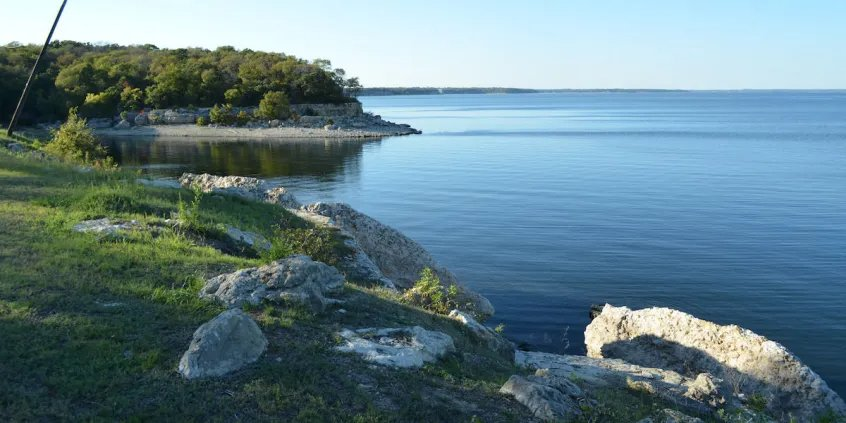
Lake Texoma, located on the border of Texas and Oklahoma, holds substantial cultural and recreational significance for locals and visitors alike. Known not only as a tranquil getaway but also as a hub of water-based activities, this expansive lake attracts a diverse array of sports enthusiasts, families, and nature lovers. The rich cultural tapestry surrounding the lake is woven through the traditions and lifestyles of those who reside nearby, “Texoma” signifies a blend of regional heritage and modern recreational engagement.
Among the most popular activities at Lake Texoma are fishing and boating. The lake is renowned for its plentiful fish species, including stripers, catfish, and bass, which draw anglers throughout the year. Events such as fishing tournaments foster an environment of camaraderie and competition, promoting local businesses that cater to this recreational pursuit. Additionally, the boating scene is bolstered by numerous marinas and rental services, allowing visitors to explore the lake’s vast expanse.
In terms of tourism, Lake Texoma has become a key economic driver for surrounding communities, showcasing breathtaking natural beauty and recreational facilities. Seasonal festivals and events around the lake not only attract tourism but also help preserve cultural traditions while promoting community engagement. The various parks, cabins, and campsites around Lake Texoma further enhance its appeal, offering opportunities for activities such as hiking, camping, and wildlife watching.
Overall, the cultural and recreational dimensions of Lake Texoma reflect the cherished values and lifestyles of the local population. This lake is more than just a body of water; it serves as a vital economic and social resource, reinforcing community identity and connection to nature.
Conclusion: Emphasizing the Importance of Proper Naming
In the discourse surrounding proper noun conventions, it becomes evident that the name of lake texoma should be capitalized is not merely a geographic reference but a symbol of cultural significance and identity. Proper naming serves to honor the local history, natural beauty, and the communities that rely on this body of water as a vital resource. Throughout our exploration, we have underscored the necessity of capitalizing the name of Lake Texoma in written communication, drawing attention to its distinction as a prominent landmark in both historical and recreational contexts.
The decision to capitalize Lake Texoma reflects an acknowledgment of the deep-rooted significance it holds for those who visit, live near, or engage with its surroundings. Moreover, a careful adherence to such conventions enhances clarity in writing, establishing a standard that cultivates respect for place names across various platforms, including academic, journalistic, and casual writing.
As we have observed, the name lake texoma should be capitalized encompasses not just the physical attributes of this unique locale, but also the myriad of experiences that countless individuals associate with it. From recreational activities like boating and fishing to the environmental conservation efforts that aim to sustain its ecosystem, each aspect contributes to the narrative of lake texoma should be capitalized. Thus, reinforcing the importance of proper name conventions is essential in preserving the integrity of such cherished landmarks.
Ultimately, the capitalized form of lake texoma should be capitalized serves as a reminder that names matter—they convey respect, identity, and history. By committing to correct usage, we contribute to the broader recognition of our shared geography, encouraging an appreciation for the places that shape our lives and communities.