
What is Pulsamento?
Pulsamento, a term derived from the Latin word “pulsare,” meaning to beat or pulse, encompasses a rhythmic quality that resonates across various disciplines, including music, art, and psychology. At its core, pulsamento reflects a vital rhythm or beat that is essential in understanding the dynamics of life and expression. In music, pulsamento signifies the underlying pulse that propels a composition forward, providing a structure that guides musicians and listeners alike. It is this constant beat that creates a sense of time and movement within musical pieces, helping to evoke emotions and facilitate engagement.
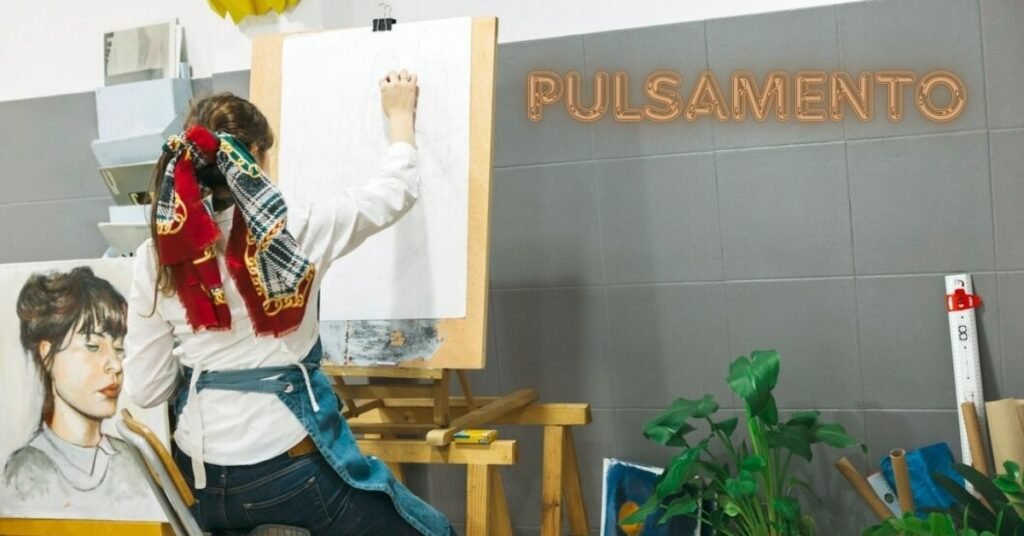
In the realm of art, pulsamento can refer to the visual rhythms found within a work, which guide the viewer’s eye across the canvas. This concept can be observed in the use of repeated motifs, colors, or shapes that create a sense of ongoing diorama within a static piece. Artists often harness the power of pulsamento to draw attention, convey emotions, and create harmony or tension in their work. For instance, a painter may use pulsamento to evoke feelings of tranquility or chaos, depending on how rhythm and repetition are utilized.
In psychology, pulsamento delves into the essence of human expression and behavior. It relates to the temporal patterns observed in human interactions, emotions, and physiological responses. The concept suggests that individuals experience fluctuations in energy and emotion, akin to a heartbeat, influencing their reactions and engagements. These rhythms can affect everything from communication to mood regulation, underscoring the significance of understanding pulsamento in the psychological domain.
Pulsamento in Music and Art
Pulsamento, a concept often described as the underlying pulse or rhythm in artistic expressions, plays a crucial role in both music and visual arts. In music, pulsamento creates a sense of movement and structure within a composition. Composers utilize rhythmic patterns and tempos to evoke emotions and guide listeners through a musical journey. For instance, in Igor Stravinsky’s “The Rite of Spring,” the pulsamento emerges through complex rhythms that ripple throughout the score, creating a visceral experience that profoundly resonates with the audience. The juxtaposition of different tempos and accents captures the primal essence of the narrative, illustrating the power of pulsamento in shaping emotional depth.
Similarly, in the realm of visual arts, pulsamento manifests through repeated motifs, color patterns, and spatial dynamics. Artists harness this concept to create a rhythm that directs the viewer’s gaze across the canvas, invoking emotions through movement and balance. The works of artists such as Piet Mondrian exemplify this, as his use of geometric forms and primary colors engages viewers in a rhythmic visual experience. The intentional arrangement of shapes and colors contributes to a pulsating energy, enticing the observer to explore the interplay of form and space.
Moreover, the integration of pulsamento in both fields fosters a deeper connection between the creator and the audience. It allows artists and musicians to convey emotions that transcend words, using rhythm as a universal language. From the steady pulse of a heartbeat in a musical score to the vibrant rhythm in a painting, pulsamento enriches the perceptual experience, inviting individuals to connect with the artwork on a profound level. Thus, understanding the significance of pulsamento in music and art not only enhances appreciation of these forms but also highlights the intricate relationship between rhythm and human experience.
The Psychological Impact of Pulsamento
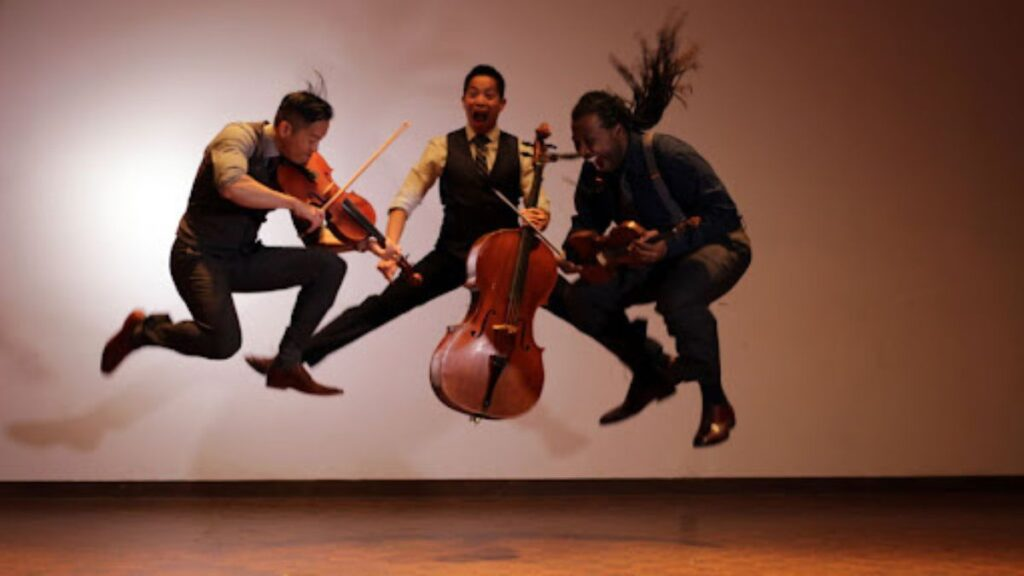
Pulsamento, a term that encapsulates the rhythmic patterns in life, has a profound impact on human emotions and behaviors. Studies have suggested that these rhythmic patterns are not only linked to physical processes but also intertwine with psychological states, influencing creativity and emotional responses. For instance, the rhythmic pulsations of music or nature have been shown to evoke particular feelings and moods, highlighting the intricate relationship between pulsamento and human emotional states.
Research in psychology emphasizes how pulsamento can serve as a stimulus for creativity. Certain rhythmic patterns, when integrated into daily activities or therapeutic practices, can inspire individuals to express themselves artistically. In various studies, participants exposed to rhythmic stimuli often reported heightened creative outputs, suggesting that engaging with pulsamento can open avenues for innovation and self-expression.
Furthermore, the relevance of pulsamento in therapeutic settings cannot be understated. Therapists often incorporate rhythmic elements, such as drumming or dance, during sessions to help clients reconnect with their emotions. This therapeutic use of pulsamento facilitates the exploration of feelings and can aid individuals in processing trauma or stress. The rhythmic repetition provides a safe space for emotional catharsis, enabling clients to express what might otherwise remain unarticulated.
Moreover, pulsamento’s influence extends into regulating emotional responses. By aligning one’s internal rhythms with external rhythmic patterns, individuals can experience improved emotional stability and well-being. This synchronization can help reduce anxiety and enhance mood, thus highlighting the potential of pulsamento as a tool for psychological resilience.
Embracing Pulsamento in Daily Life
Incorporating the concept of pulsamento into everyday routines can significantly enhance well-being and foster creativity. Recognizing the natural rhythms of life is essential for aligning one’s activities with the ebb and flow of energy. One practical way to embrace pulsamento is by establishing a daily schedule that allows for periods of focused work followed by intentional breaks. This rhythm not only promotes productivity but also gives the mind a chance to rejuvenate, ultimately enhancing creativity.
Mindfulness practices can further deepen one’s connection with pulsamento. Engaging in meditation or simple breathing exercises can help individuals tune into their inner rhythms and better understand their emotional and physical states. For instance, setting aside a few minutes each day for mindful reflection can cultivate a heightened awareness of personal energy levels. This awareness allows for more informed decisions regarding when to engage in demanding tasks and when to rest.
Moreover, creative endeavors can greatly benefit from embracing pulsamento. Artists, writers, and other creative individuals can harness the concept by allowing themselves the freedom to flow with their inspiration. Recognizing that creativity operates in phases can alleviate the pressure to produce consistently. Instead, individuals can acknowledge periods of high creativity and those of lower energy, learning to channel their pulsamento into meaningful work when inspiration strikes.
Additionally, it is important to foster supportive environments that encourage the natural pulsation of ideas and projects. Surrounding oneself with individuals who appreciate and understand the significance of pulsamento can lead to shared experiences that enrich personal and collective endeavors.